.avif)




.png)


How to find YouTube influencers for gear reviews (the outdoor and adventure brand playbook)

.png)
Most guides on finding YouTube influencers are written for beauty brands and DTC e-commerce. If you sell trekking poles, hardshell jackets, or backcountry ski bindings, that advice will waste your time and budget.
The problem is simple: outdoor brands need creators who actually use gear in the field. Not studio reviewers who unbox a product, read the spec sheet, and move on to the next sponsorship. Generic influencer discovery methods miss this entirely because they optimize for reach and demographics, not for trail miles and field-testing credibility.
In this playbook you'll find seven proven methods for finding gear reviewers on YouTube, plus a vetting framework built specifically for outdoor brands.
Key takeaways
- YouTube is one of only three platforms where engagement is growing year-over-year, reaching 3.06% in 2026 (SociaVault, Apr 2026). That makes it a priority channel for gear brands.
- Micro-influencers (10K-100K subscribers) deliver the highest ROI at $7.14 per $1 spent (Digital Applied, Apr 2026), far outpacing macro creators.
- Generic influencer search tools miss the niche. Outdoor brands need creators filtered by sport discipline, not just demographics.
- YouTube content has a 2.7x longer lifespan than short-form content (Digital Applied, Apr 2026), compounding ROI over months and years for gear brands.
- The evaluation criteria for gear reviewers are fundamentally different from general influencers. Field time, testing methodology, and audience trust matter more than subscriber count.
.jpg)
Why YouTube is the gear review channel that matters
Before you start searching for creators, you need to know why YouTube deserves your budget over Instagram Reels or TikTok. The short answer: it's the only platform built for the kind of content that sells gear.
Outdoor gear is complex and high-ticket. A buyer considering a $400 hardshell or a $600 bikepacking setup wants to see that product perform on the trail, in a storm, or on a multi-day trip before they commit. Short-form video can generate awareness, but it can't build the purchase intent that a 12-minute field review delivers. YouTube is where purchase decisions happen for gear.
The data backs this up. Technology reviews achieve a 3.94% median engagement rate, and travel and lifestyle content sits at 2.42% (SociaVault, Apr 2026). Gear review content sits at the intersection of both, combining technical depth with real-world storytelling. YouTube viewers recall brand mentions at 62% after 30 days, the highest of any platform (Archive via Ringly.io, Jun 2026). No other channel comes close for long-term brand retention.
And consumers are telling us what they want. 64% say genuine reviews are the most compelling type of influencer content (Sprout Social, May 2026). Not dance trends. Not aesthetic flat lays. Reviews where the creator has used the gear, stressed it, and formed an honest opinion. Consumer trust in influencers hit 67% in 2026, up from 61% in 2025 (Amra and Elma via Ringly.io, Jun 2026), and 94% of Gen Z trusts influencers more than traditional advertising (IZEA via Ringly.io, Jun 2026).
YouTube is also the rare platform where engagement is growing. Average engagement moved from 2.84% in 2024 to 3.06% in 2026 (SociaVault, Apr 2026), while other platforms trend flat or down. That growth means your content reaches a more active audience every year.
Consider the full picture: influencer marketing industry data shows returns of $5.78 per $1 spent on average, and micro-influencer campaigns push that to $7.14 (Digital Applied, Apr 2026). With global influencer marketing projected to reach $40.51 billion in 2026 (Mordor Intelligence via Ringly.io, Jun 2026) and 86% of US marketers already partnering with influencers (Sprout Social, May 2026), the question isn't whether to invest in creator content. It's where to invest. For outdoor brands, YouTube gear reviews are the highest-value content type we see brands investing in. As outdoor media company Heliconia notes, YouTube creators present content featuring brands in authentic ways that resonate with audiences, and it would be difficult for a brand to build an audience like successful creators already have.
Popfly was built to fix the chaos of creator marketing in this space, and YouTube is where we see the strongest ROI for our brand partners. If you're planning your budgeting for influencer campaigns, YouTube is where the math works best for gear brands.
7 ways to find YouTube influencers for gear reviews
1. Search YouTube with niche-specific keywords
The biggest mistake brands make is starting with broad searches like "gear review" or "outdoor influencer." You'll find channels with millions of subscribers and zero relevance to your specific category.
Instead, search by sport discipline. Try "best hiking boots review 2026," "backcountry ski binding comparison," or "bikepacking gear list." These queries surface creators who actually specialize in your gear category, not generalists padding a content calendar.
Filter by upload date to find active creators. A channel that ranked well three years ago but hasn't posted in six months is a dead end. You want consistent uploaders with recent content in your niche.
Use YouTube's hashtag search to find active creators with tagged content. Hashtags like #gearreview, #hikingGear, and #campinggear surface creators who are actively categorizing their work for discovery.
Once you find one strong channel, chain outward. Check their "Channels" tab to see who they follow. Look at collaboration videos. Map the niche creator network by following the connections. One good find usually leads to five more.
Pro tip: Search for ad-disclosure hashtags (#sponsored, #ad) combined with your gear category. This surfaces creators who are already doing brand work and are comfortable with sponsored content expectations.
2. Use Google to surface curated outdoor creator lists
YouTube's search algorithm favors established channels, which means you might miss newer creators with smaller but highly engaged audiences. Google can fill that gap.
Search for "best YouTube channels for hiking gear reviews 2026" or "top outdoor gear YouTubers." These queries surface curated lists from blogs, media outlets, and communities that have already done the scouting work for you.
Check Google's Video tab for relevant YouTube results your standard YouTube search might miss. The algorithm is different, and it often surfaces content that doesn't rank well within YouTube's own search.
Be specific with your search language. "Outdoor gear YouTubers" returns better results than "YouTube influencers" because it matches the way real communities describe these creators.
Important: Validate every name you find by watching two to three recent videos. Confirm the creator is still active, hands-on with gear in the field, and producing content that matches the quality standard your brand needs. A curated list from 2024 might be completely outdated.
3. Use an influencer discovery platform built for your niche
Generic influencer platforms list millions of creators, but they lack the filters that matter for outdoor brands. You can sort by follower count and location, but you can't filter by sport discipline, gear category, or field-testing credibility.
What to look for in a discovery platform:
- Ability to filter by niche (outdoor, adventure, travel) rather than broad lifestyle categories
- Engagement tier filtering so you can target micro-creators (10K-100K) where ROI is highest
- Location and audience demographic data
- Content type filters (long-form reviews vs. shorts vs. vlogs)
81% of brands now use AI for influencer discovery (Digital Applied, Apr 2026). But the filter quality matters more than the AI branding. If the tool can't distinguish between a hiking creator and a general "outdoorsy" lifestyle account, it's not solving your problem.
YouTube also recently evolved its own tools with YouTube Creator Partnerships (formerly BrandConnect), which helps brands discover creators directly through the platform. But for outdoor brands, the real advantage comes from niche platforms with pre-vetted creators who actually participate in the activity they review gear for. Popfly's outdoor creator marketing platform lets brands find creators by sport discipline (hiking, skiing, cycling, climbing, surfing, fishing) rather than generic demographics. That is the difference between finding a creator who reviews outdoor gear and finding a creator who hikes the same terrain as your customers.
The economics favor this approach. Across DTC and social commerce, a 50-creator micro program at $500 per creator typically outperforms a single $25K macro deal on both engagement and attributed sales (Hubfluence, 2026). The same principle applies to YouTube gear campaigns where niche relevance drives conversion. Niche platforms make it possible to build that kind of scaled micro-creator program efficiently.
4. Scout outdoor communities and forums
The best gear reviewers on YouTube have something generic influencers don't: community trust. And the fastest way to identify trusted creators is to go where outdoor communities actually talk about gear.
Reddit is the starting point. Subreddits like r/CampingGear, r/Ultralight, r/backpacking, and r/cycling are where enthusiasts constantly recommend, debate, and dissect YouTube reviewers. When a community organically references a creator by name in recommendation threads (not self-promotion posts), that is a strong signal of credibility.
These communities are where reputations are built and destroyed. If a creator has community trust, their gear content will convert because their audience already believes their recommendations.
Expand your search to niche forums and publications. Sites like Backpacker, REI Co-op Journal, and sport-specific forums for climbing, bikepacking, and trail running regularly reference YouTube creators in articles and discussion threads.
This method surfaces creators that discovery tools miss entirely. Smaller channels with outsized community trust don't always rank well in YouTube search or influencer databases. But when a creator is the go-to recommendation in a community of 500,000 gear enthusiasts, that reach is more valuable than a subscriber count.
5. Reverse-engineer competitor partnerships
Your competitors are already investing in YouTube creator partnerships. Their work is a free research resource if you know where to look.
Search YouTube for reviews or unboxings of competitor products. The creators behind those videos are open to brand partnerships, have experience with gear content, and understand the sponsored content campaigns workflow. If they're reviewing products in your category, they're likely a fit for your brand too.
Check competitor social media for shared influencer content, tagged creators, and collaboration posts. Many brands reshare creator content, making it easy to identify their active partnerships.
Look at competitor ambassador program pages. Many outdoor brands list their current roster publicly, giving you a ready-made list of creators who are experienced with long-term brand relationships. You can also check the YouTube Creator Partnerships program to see which creators are actively seeking brand deals.
The goal isn't to copy your competitors. It's to identify creators they missed, or creators whose audience would respond better to your brand's positioning. A creator who works with one ski brand might be a better fit for yours based on terrain focus, price point alignment, or audience geography. YouTube is used in 51% of influencer campaigns, and a mid-tier sponsored video averages $12,400 (Digital Applied, Apr 2026). Your competitors are spending here. The question is whether you're finding the same creators they are, or finding better ones.
6. Build an ambassador program that attracts inbound creators
Every method so far is outbound: you search, you evaluate, you reach out. An ambassador program flips the model. Build the right program and creators come to you.
Start with a dedicated landing page for your creator program. If you need a framework, here's how to build a brand ambassador program that actually generates inbound interest. If a creator searches "\[your brand\] ambassador program" and finds nothing, you've lost them. Make it easy to apply and clearly communicate what creators get: product access, commission structure, content collaboration opportunities, and community.
Long-term ambassador relationships deliver higher ROI than one-off sponsored posts. The logic is straightforward: a single post is a touchpoint, but a three-month partnership builds the kind of audience familiarity that compounds trust and drives repeat purchases. For outdoor brands specifically, this matters because gear credibility builds over time. A creator who uses your tent for an entire season is more convincing than one who unboxes it and never shows it again.
The economics are compelling on the creator side, too. 83% of creators are willing to work for gifting alone if the brand fit is right (Influee, Apr 2026). For outdoor brands, "brand fit" means respecting the activity. Lead with your brand's relationship to the sport, not just your product catalog. Creators want partners who share their values, not just brands looking for advertising slots.
65% of influencers prefer being involved in creative conversations early rather than following rigid briefs (Sprout Social, May 2026). Give your ambassadors creative input and you'll get better content and stronger loyalty.
7. Cross-reference other platforms for YouTube presence
You don't have to limit your search to YouTube to find great YouTube creators. Many outdoor creators build their primary audience on Instagram, TikTok, or Strava and maintain YouTube channels specifically for long-form gear content.
Check bios and link-in-bio pages on Instagram and TikTok. Creators who post short-form outdoor content often link to their YouTube channel where they publish the deeper reviews, trip reports, and gear comparisons.
For outdoor brands specifically, look beyond traditional social platforms. Strava athletes, AllTrails contributors, and adventure podcast hosts often have underrated YouTube channels with small but fiercely loyal audiences. These creators may not appear in YouTube search because their primary audience discovery happens elsewhere.
This method uncovers creators who have built real-world credibility through their activity first and content creation second. For gear brands, that order of operations is exactly what builds trust with buyers. Once you find them, you can launch an affiliate program to convert those cross-platform creators into revenue partners.
How to vet YouTube creators for gear reviews
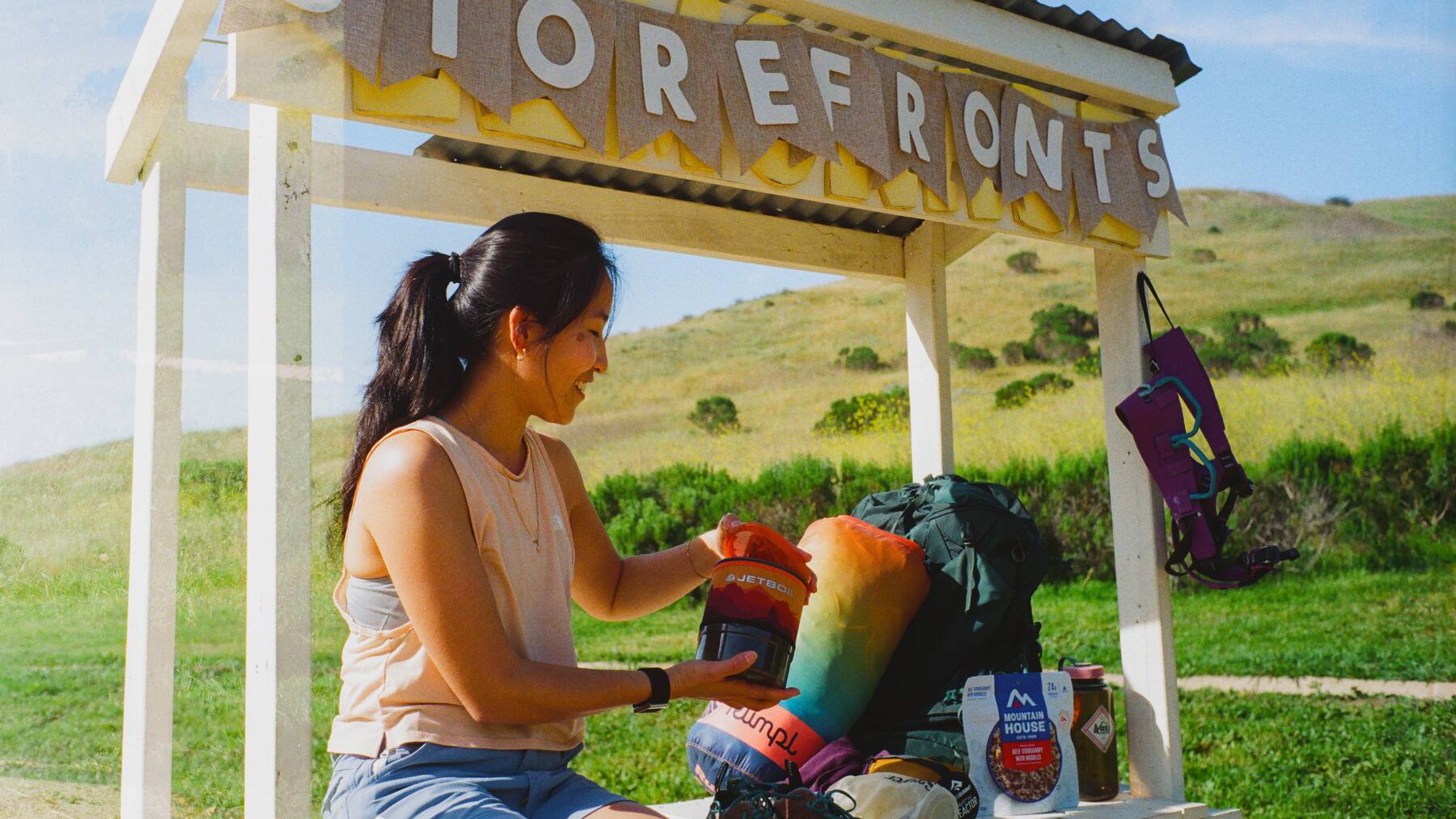
Finding creators is only half the work. Evaluating them for gear review quality requires a different framework than general influencer vetting.
Look beyond subscriber count. Focus on average views per video, view velocity in the first 48 hours, and comment-to-view ratio. According to YouTube engagement benchmarks based on 75,000 channels analyzed, nano channels (1K-10K subscribers) average 5.23% engagement, while macro creators sit at 2.12% (SociaVault, Apr 2026). The engagement drop from nano to mega is 3.7x (SociaVault, Apr 2026). Smaller channels often deliver better results per dollar for gear brands.
Evaluate gear review quality signals. These separate real gear reviewers from creators who just happen to film outdoors:
- Field testing: Does the creator use gear in real conditions? Look for trail footage, weather exposure, and multi-day use. Studio-only reviewers can't demonstrate how gear actually performs.
- Long-term use: Do they publish follow-up videos after months of use? Gear durability matters to buyers, and creators who revisit products build more trust.
- Comparison methodology: Do they compare products fairly across price points and brands, or do they only promote what they're sent?
- Comment quality: Are viewers asking purchase-intent questions like "What size did you get?" or "How does this compare to X?" Purchase-intent comments signal an audience that actually buys gear based on the creator's recommendations.
Check audience alignment. Verify audience demographics, location, and language. A hiking gear brand needs US-based viewers who hike, not a general outdoor-curious audience from a different market.
Assess sponsored content performance. Compare view counts and engagement between sponsored and organic videos. If there's a significant viewership drop on sponsored videos, the audience doesn't trust that creator's paid recommendations. The best gear reviewers maintain consistent performance across both.
Watch for red flags. Sudden subscriber spikes, low-quality or bot-like comments, only unboxing or studio content, no FTC disclosure history, and inconsistent upload schedules are all warning signs. A creator who posts three times a week for a month and then disappears for four months isn't a reliable partner. For ongoing creator relationships, here's how to manage athlete and ambassador programs without losing track of performance.
Match creators to your sport discipline
A hiking gear brand and a ski equipment brand need fundamentally different creators, and treating "outdoor" as one category will lead to mismatched partnerships and wasted budget.
Here's how to think about discovery by sport discipline:
- Hiking and backpacking: Search "thru-hike gear list," "backpacking setup," or "AT gear review." Look for creators who log real trail miles and test gear over multi-day trips. Credibility comes from distance, not production value.
- Skiing and snowboarding: Search "backcountry ski setup," "ski boot review," or "resort ski comparison." This content is seasonal, so build relationships before snow season hits. Pre-season reviews drive the most purchase intent.
- Cycling and bikepacking: Search "gravel bike review," "bikepacking gear," or "cycling tech comparison." This community values technical depth. Spec sheets, weight comparisons, and quantitative testing perform well.
- Climbing: Search "trad climbing gear," "bouldering shoes review," or "climbing harness comparison." Community trust is everything. Creators must be active climbers with verifiable experience, not general outdoor vloggers.
- Fishing and hunting: Search "fly fishing gear review," "hunting optics comparison," or "kayak fishing setup." Evergreen content in these categories drives long-tail affiliate revenue for years. A well-structured creator-led affiliate program compounds returns as gear review content continues to surface.
Platforms like Popfly let you filter creators by specific sport discipline rather than treating "outdoor" as a monolith. When you can search for creators who specifically produce ski touring content or bikepacking reviews, you skip the manual sorting and go straight to relevant matches.
Stop searching through millions of generic influencer profiles. Start finding creators who actually live the adventure.