.avif)




.png)


How Brands Work With Athletes on Social Media (Beyond One Sponsored Post)
.png)
A brand pays for one sponsored post, sees a spike, then starts over next quarter. The content is scattered, the results are hard to prove and no one owns the relationship.
This guide is for outdoor and adventure brand marketers. It answers the real question: how do you actually work with athletes on social media, and turn that work into content and revenue? This will cover why athlete content performs, the four ways to structure a deal, why long-term wins, and how to measure it.
Key Takeaways
- Athletes perform best as long-term partners, not one-off ad placements.
- Most U.S. social users prefer authentic influencer content over scripted ads, per IZEA's 2024 research.
- Micro and niche athletes often beat big names on engagement-to-cost.
- Pick a partnership model on purpose: UGC, sponsored, affiliate, or ambassador.
- Track content and revenue from day one, or you cannot prove it worked.
1. Why Athletes Beat Traditional Ads on Social
Fans do not see a polished commercial when they follow an athlete. They see someone who does the sport they love. That relatability is the whole advantage.
The preference data is clear. According to IZEA's November 2024 research, 77% of U.S. social media users now prefer influencer content over traditional, scripted ads. That is the highest figure IZEA has recorded.
Preference is not the same as blind trust, though. BBB National Programs and NAD found in their 2025 Influencer Trust Index that 74% of consumers trust influencer content, compared with 87% for general advertising. Authenticity and clear disclosure decide the outcome. Genuine content earns the edge. Scripted content loses it.
Purchase behavior follows attention. An Influencer Marketing Report found that 86% of consumers make a purchase inspired by an influencer at least once a year. Athlete content sits right in that stream.
So the shift is practical, not just cultural. Instead of a polished 30-second spot, put your gear in real hands:
- Training footage that shows the product working under load
- Trail and terrain clips filmed where your customers actually go
- Honest gear-in-use reviews from an athlete who relies on it
That is the content people want to watch. It is also the content that moves them to buy.
2. The Four Ways Brands Actually Work With Athletes
Most confusion comes from skipping one question: what kind of relationship is this? Pick the model before you pitch the athlete. Each one has a different job.
- UGC: Athletes create authentic content you can reuse authentic UGC across your channels, from paid social to product pages.
- Sponsored and influencer campaigns: Paid posts tied to a specific launch, event, or seasonal moment.
- Affiliate: Performance-based affiliate deals that link an athlete's content directly to trackable sales.
- Ambassador and athlete programs: Long-term partners who champion your brand year-round, not just at launch.
These are not either-or choices. A strong program layers them. An ambassador can also run affiliate links and feed you UGC between campaigns.
Here is the reframe. Instead of buying one paid post for one launch, build a roster that produces content all season. One post gives you a spike. A roster gives you a pipeline.
Popfly supports all four motions in one place, so you do not stitch together separate tools for each type of deal. More on that below.
3. Why Long-Term Partnerships Win
The market has already made this call. The Influencer Marketing Hub 2025 benchmark found that 47% of companies now prefer long-term collaborations over one-off posts. Brands are voting with their budgets.
The economics back it up. A 2025 social report, says that 71% of influencers offer discounts for longer-term partnerships. You often pay less per piece of content when you commit to a season instead of a single post.
The quiet benefits matter just as much:
- Familiarity compounds, so the athlete's audience sees your brand again and again
- Your brand voice stays consistent instead of resetting each campaign
- Briefing cost drops every cycle because the athlete already knows your product
Instead of chasing a new creator for every campaign, invest in a roster that gets better over time. A first campaign is a learning curve. The fifth one runs itself. If you already manage ambassador or athlete programs, this is where you deepen them rather than restart.
4. You Don't Need Big Names: The Case for Micro and Niche Athletes
Celebrity reach is expensive, and it is often the wrong buy. Later's 2025 data found that 73% of brands favor micro and mid-tier creators for the best engagement-to-cost ratio.
The reason is credibility. A niche athlete speaks to a specific community. Trail runners, climbers, paddlers, and backcountry skiers know who actually does the sport. They can spot a rented endorsement in a second.
A 15,000-follower athlete who rides your exact terrain often outperforms a 200,000-follower generalist. The smaller account speaks with authority to people who already care. Sports-niche content tends to outperform generalist benchmarks, though the exact gap depends on your sport and audience.
So change what you are shopping for:
- Look for relevance to your discipline first, follower count second
- Check whether the athlete's audience matches your customer
- Prioritize real participation in the sport over general fitness appeal
Instead of buying reach, buy relevance. Reach gets you seen. Relevance gets you believed.
5. How Outdoor and Adventure Brands Should Work With Athletes
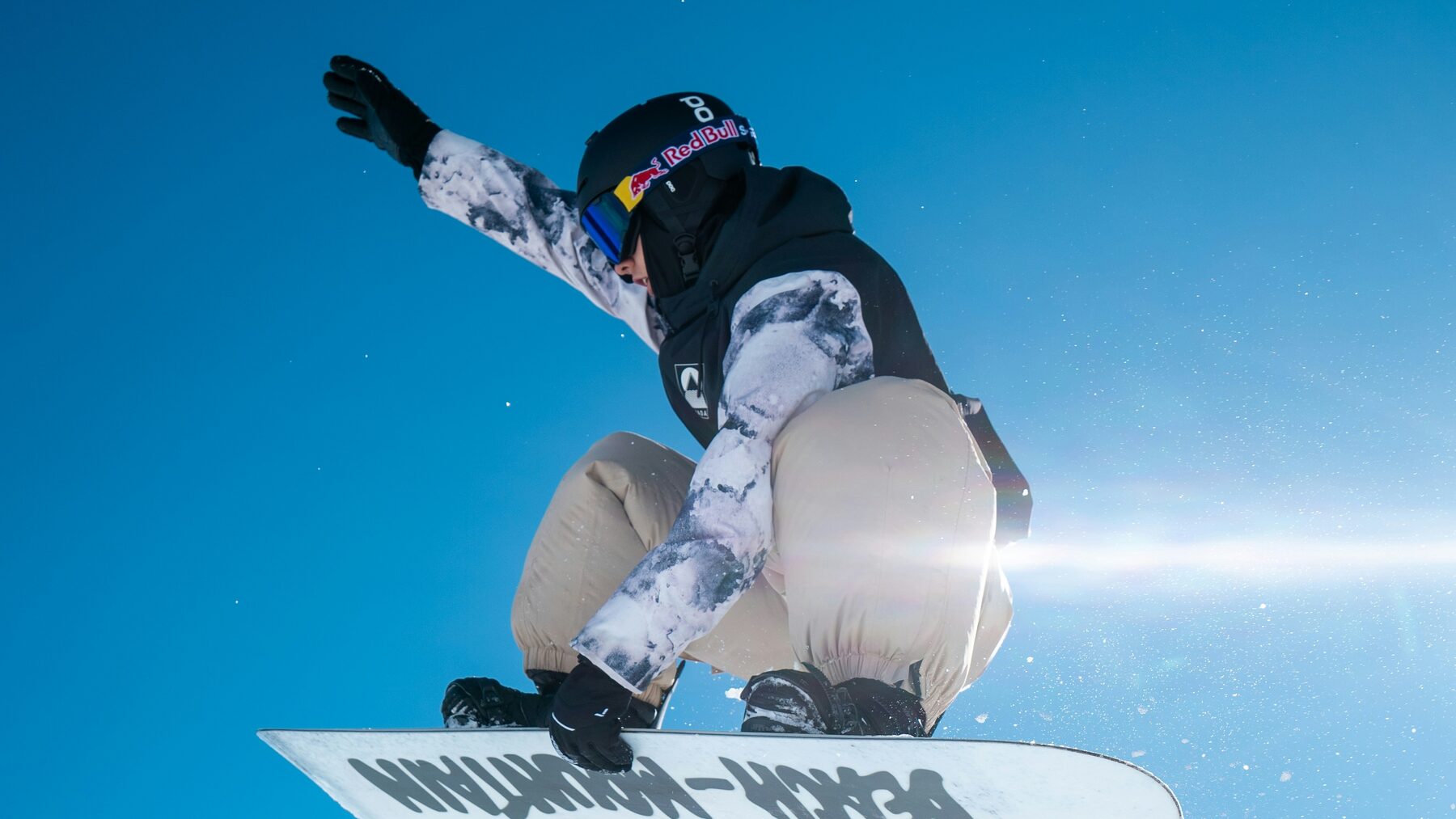
The outdoor audience is not niche anymore. More than 180 million Americans, about 58% of those aged 6 and up, recreated outdoors in 2024 according to the Outdoor Industry Association. That was an all-time record, a 3% jump over 2023, and avid participants grew by 5 million after a decade-long slide.
The economics are just as serious. The U.S. Bureau of Economic Analysis reported that the outdoor recreation economy reached $696.7 billion in value added in 2024, or 2.4% of U.S. GDP. This is a large, growing, engaged market.
Outdoor athletes are content engines for this audience. In-the-field footage beats studio creative for gear brands, because the field is where your product proves itself. A jacket in a storm tells a better story than a jacket on a rack.
Practical guidance for outdoor and adventure brands:
- Find athletes who actually do the sport and speak to the community
- Vet each one for brand fit, not just follower count
- Match the athlete's discipline to the product they will feature
Instead of a generic fitness influencer, work with athletes native to your discipline. Popfly is purpose-built for exactly this. It gives you a curated network of adventure creators plus social search filters to find athletes by sport and terrain.
6. How to Measure Athlete Content (So You Can Prove It Worked)
Measurement fails when you decide the metric after the campaign. Decide it first. Reach and engagement measure awareness. Clicks and conversions measure revenue. Match the metric to the goal before anyone posts.
Then make the content trackable. Affiliate links and creator Storefronts tie an athlete's posts directly to sales. When an athlete has a Storefront, their content keeps generating orders long after the campaign date.
Centralize the numbers. Instead of stitching together spreadsheets and platform exports, pull performance into one dashboard. You want reach, engagement, clicks, and revenue in the same view.
Finally, attribute content to program goals so every partnership has a verdict:
- Keep the athletes who drive your target metric
- Cut the ones who do not after a fair test
- Scale the partners who consistently produce content and sales
Popfly's performance dashboards and Storefronts turn athlete content into trackable revenue, so proving ROI is not a quarterly scramble.
Find creators, run every campaign, and prove ROI in one hub.